
Great medical education happens when people stop watching and start doing.
Our RCEM pre-conference workshop on MSK trauma: lectures, hands-on ultrasound, procedures and simulation.
Chronic tendon pain can disrupt your daily life, making even simple movements like walking, gripping, or lifting painful. Traditional treatments like rest, medications, or physiotherapy often provide only temporary relief, leaving many patients frustrated. Fortunately, Shockwave Therapy (Extracorporeal Shockwave Therapy – ESWT) has emerged as a game-changing, non-invasive treatment that stimulates the body’s natural healing process, offering long-term recovery for persistent tendon injuries.
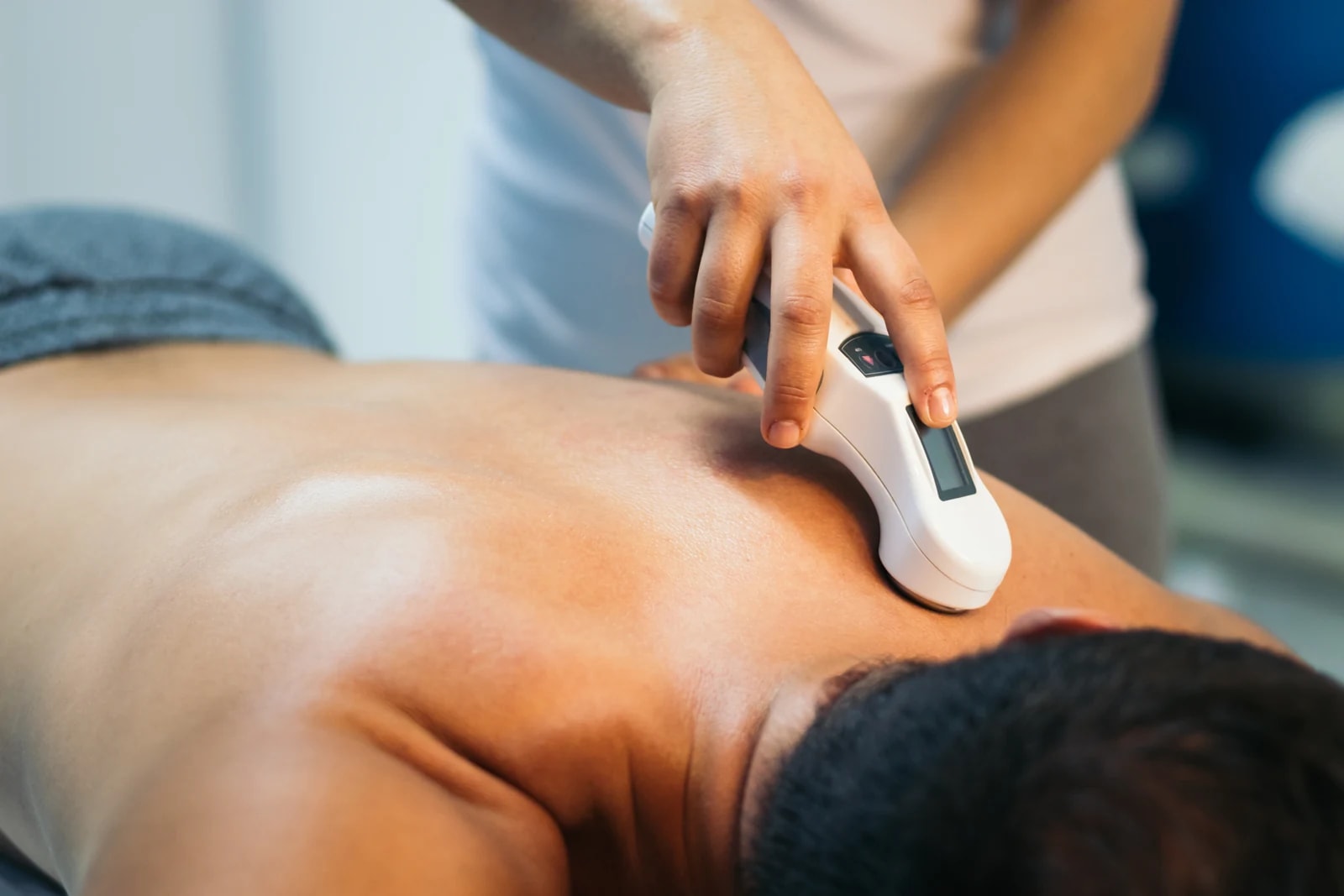
Shockwave therapy uses high-energy acoustic waves to penetrate deep into injured tissues, triggering a biological response that promotes healing. These sound waves increase blood circulation, accelerate collagen production, and break down scar tissue and calcifications that contribute to pain and stiffness. Unlike steroid injections, which only mask symptoms, shockwave therapy addresses the root cause of tendon damage, encouraging true tissue regeneration. The treatment is quick (typically 10-15 minutes per session), requires no anaesthesia, and allows patients to return to light activity immediately.
Shockwave therapy has shown remarkable success in treating chronic tendon disorders, including:
Before beginning shockwave therapy, a diagnostic ultrasound is often performed to confirm the extent of tendon damage. During the procedure, a handheld device delivers controlled pulses of energy directly to the injured area. Patients may feel a deep, rhythmic tapping sensation, but the discomfort is usually mild and short-lived. No incisions or needles are involved, and there’s no downtime: most people resume light activities the same day.
A typical treatment plan consists of 3-5 sessions, spaced about a week apart. While some patients notice improvement after the first session, the full effects develop gradually over 4-8 weeks as the tendon heals. Maximum results are usually seen at the 3-month mark, with many patients experiencing lasting relief.
While steroid injections and surgery have their place, shockwave therapy offers unique advantages:
Q: Is shockwave therapy painful?
A: Most patients describe it as a deep pulsing sensation, uncomfortable but tolerable. The intensity can be adjusted for comfort.
Q: How soon will I feel better?
A: Some improvement may be noticed after 1-2 sessions, but full healing takes time as the tendon regenerates.
Q: Can shockwave therapy be combined with other treatments?
A: Yes! It pairs well with PRP therapy, physiotherapy, or ultrasound-guided injections for enhanced recovery.
Q: Who is a good candidate?
A: Ideal for those with chronic tendon pain (3+ months) that hasn’t responded to rest, physio, or medications.
More insights from the clinic.
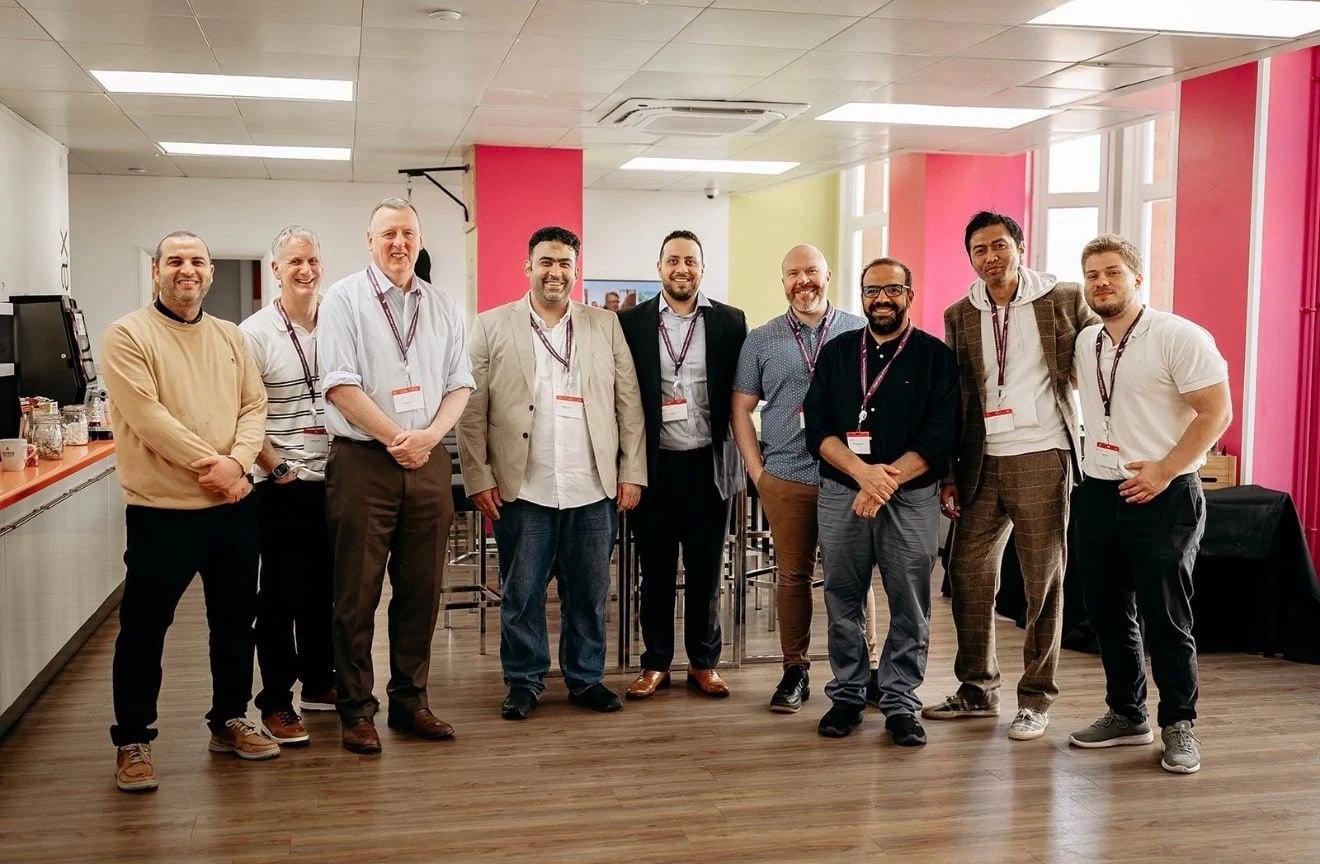
Our RCEM pre-conference workshop on MSK trauma: lectures, hands-on ultrasound, procedures and simulation.
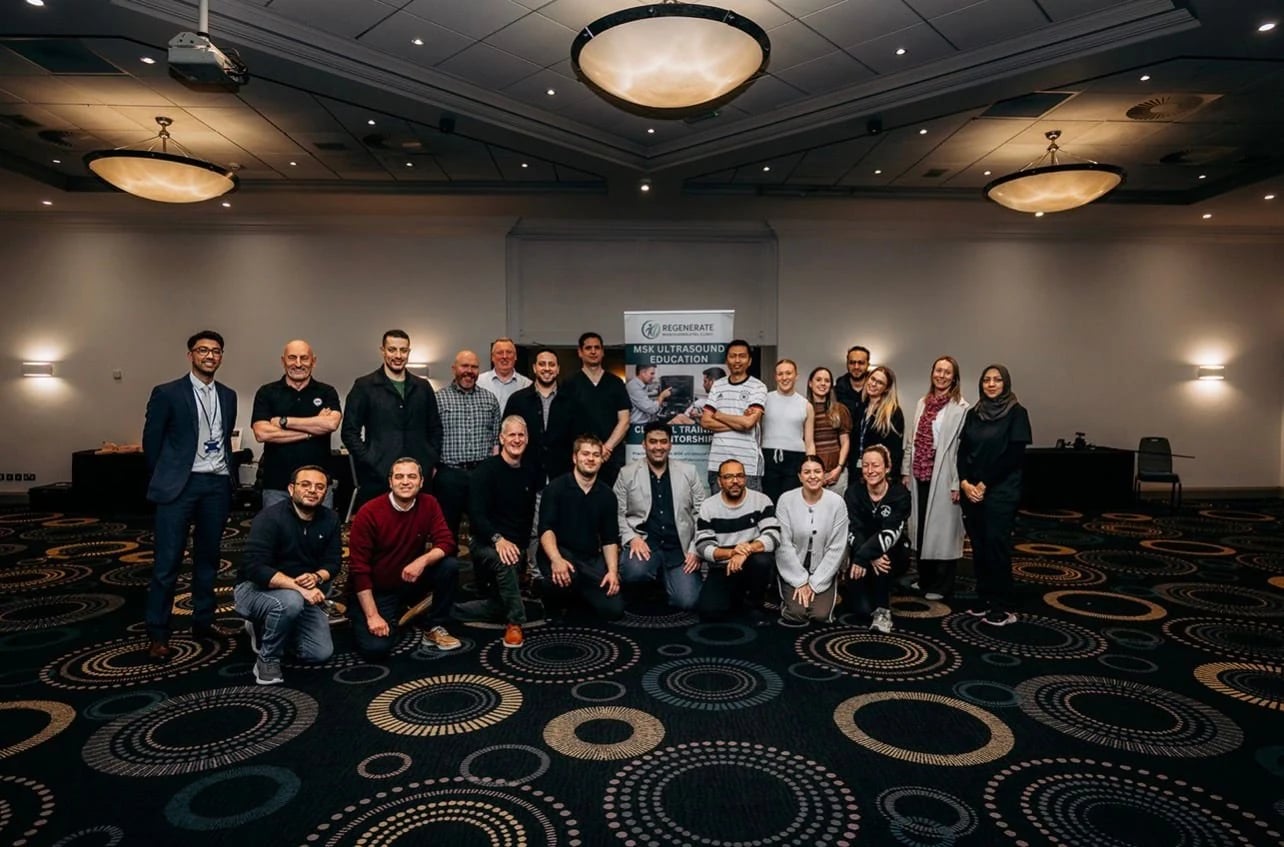
Photos from our hands-on MSK ultrasound course at the Mercure Hotel.
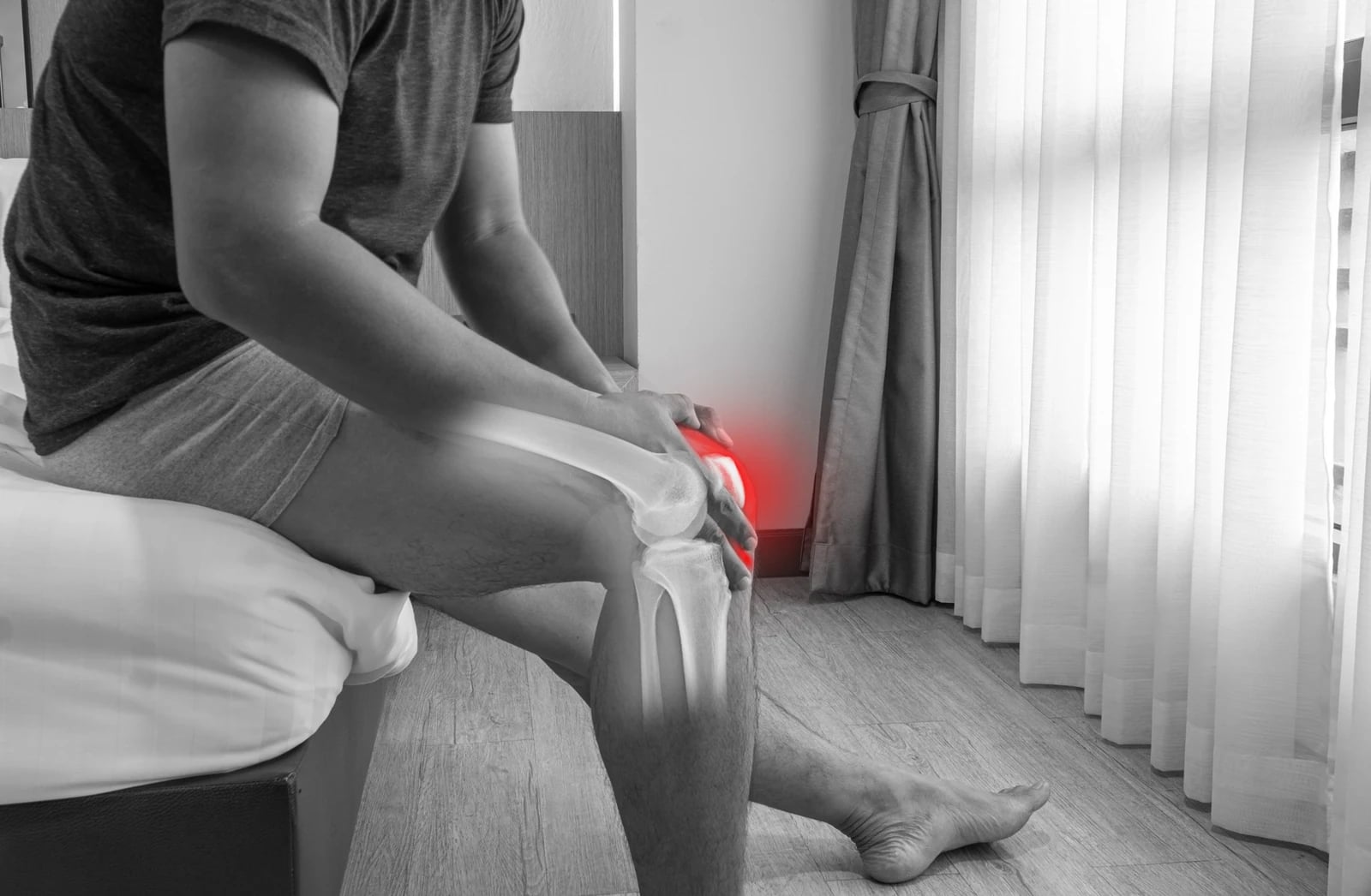
Five warning signs that your joint pain needs a closer look with a diagnostic ultrasound scan.
Book online in a few clicks, or message us and we'll help you choose the right appointment.